Loading bay rules on Wimbledon High Street: Merton Council guide
Posted on 06/07/2026
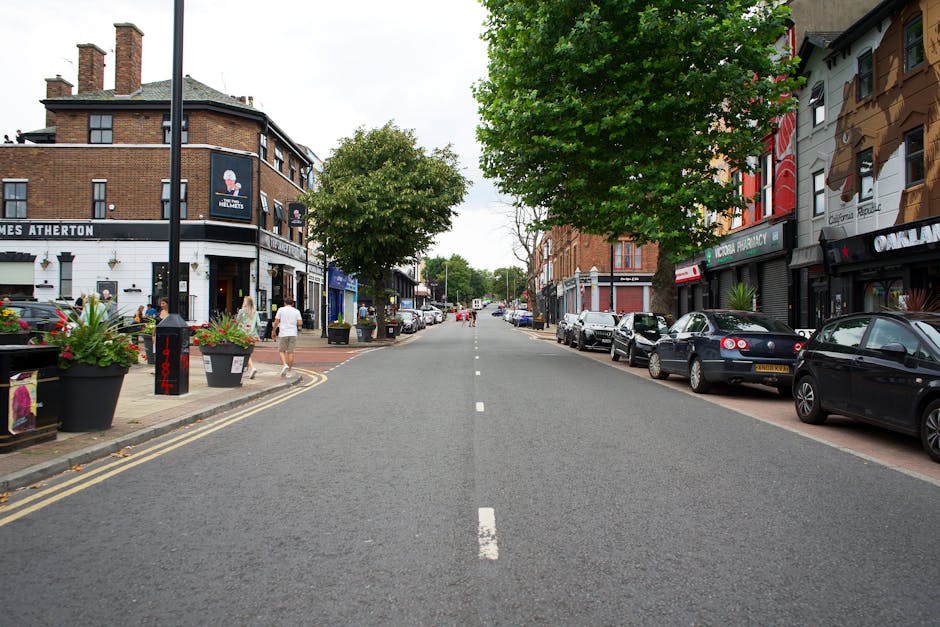
If you are planning a delivery, a house move, or even a bulky furniture drop on Wimbledon High Street, the loading situation can be the difference between a smooth job and a mildly chaotic one. The street is busy, space is tight, and a van parked in the wrong place for even a short time can create a headache fast. This Loading bay rules on Wimbledon High Street: Merton Council guide breaks down the practical side of using loading bays sensibly, how to plan around restrictions, and what to do if your move needs a bit more time or flexibility. Truth be told, most problems are avoidable with a little prep.
Below, you will find a clear explanation of how loading bays typically work, why they matter, who needs them, and how to approach moving day without turning it into a last-minute scramble. We have also added a checklist, a comparison table, and a few practical examples from the kind of real-world moving situations people face in Wimbledon every day.
Why Loading bay rules on Wimbledon High Street: Merton Council guide Matters
Loading bays are not just painted boxes on the road. On a street like Wimbledon High Street, they are part of the traffic management system that keeps commercial activity moving while limiting congestion. If you are unloading stock, moving household items, collecting equipment, or arranging a same-day delivery, using the wrong space can cause delays, complaints, or even a penalty.
That matters more than most people realise. In a busy shopping and service area, the difference between a lawful loading stop and an awkward "I'll just pull up here for a second" can be the difference between finishing on time and spending the next half hour circling the block. And yes, the van always seems to be bigger on a narrow street than it looked when you planned the job.
For residents, business owners, and removal teams, the main issue is not only enforcement. It is also access. You want enough room to load safely, avoid blocking cyclists or buses, and keep your team moving efficiently. If you are moving into or out of a flat nearby, this becomes even more important. Merton streets can be unforgiving when access is tight, especially if there is a lift issue, a long carry, or a second van involved. Our guide to staircase and lift problems in SW19 flats covers a lot of the same planning mindset from a different angle.
Key takeaway: the loading bay is there to keep movement practical, but it only works if you use it in the right way, at the right time, and with enough margin for real-world delays.
How Loading bay rules on Wimbledon High Street: Merton Council guide Works
At a practical level, loading bay rules usually come down to three things: where you can stop, for how long, and under what conditions. Some bays are for loading only, some are time-limited, and some may be shared with other parking restrictions depending on the street layout and signage. You should always rely on the signs and road markings on the day, because bays can vary from one side of a road to the other.
On a street like Wimbledon High Street, signage matters more than assumptions. A bay that looks "free" may still have specific loading hours, a maximum stay, or a requirement that loading is active the whole time. That usually means you need to be able to show that goods are being moved, not simply that the van is parked there while you pop off for coffee. Let's be honest, that coffee can wait.
In many loading scenarios, the best practice is simple:
- Stop only where the markings and sign allow it.
- Keep the vehicle positioned so loading can happen quickly and safely.
- Maintain active loading or unloading while the bay is in use.
- Move the vehicle once the work is done or the permitted period ends.
For removal work, the challenge is that moving day rarely goes perfectly to schedule. A staircase is narrower than expected, keys are late, or the person with the spare key is stuck in traffic. If your job is in Wimbledon and the timing is tight, it is worth reading about whether you need a permit from Merton Council for moving day, because parking controls and moving-day permissions often overlap in practice.
There is also a useful distinction between short-term loading and longer occupations of the road. A loading bay is usually for genuine loading activity, not general waiting. If your move is large, or you need the van in place for a while, you may need a different plan, such as scheduling smaller loads, using a second vehicle, or choosing a quieter time of day. More on that in a minute.
Key Benefits and Practical Advantages
When you use a loading bay properly, the benefits are mostly practical, but they are big ones. A good loading arrangement can save time, reduce physical strain, and make the whole day feel less frantic. That sounds obvious, but on moving day, obvious things are often the first to disappear.
- Faster loading and unloading: your team can work close to the entrance rather than carrying everything from a distant bay or side road.
- Lower risk of damage: fewer long carries mean fewer knocks to furniture, walls, and doors.
- Less disruption: proper use of bays helps you avoid blocking traffic or frustrating neighbours and shop staff.
- Better time planning: once you know your access point, you can build a realistic schedule around it.
- Safer lifting: short carries reduce fatigue, which is a proper issue with heavy boxes and awkward items.
For business deliveries, the biggest win is usually predictability. For home moves, it is often sheer relief. A van that can stop near the entrance saves a surprising amount of stress, especially if you are carrying boxes down from a second floor or trying to keep fragile items stable in damp or drizzly weather. Wimbledon weather likes to keep people guessing, naturally.
If you are comparing moving support options, the right access plan can also affect cost. A job that is easy to park and load may take less time and fewer staff than one that requires long carries, repeated repositioning, or multiple trips. That is one reason people sometimes look at pricing and quotes early rather than leaving it until the last minute.
Who This Is For and When It Makes Sense
This guide is useful for a wider group than you might expect. Yes, it matters for removal vans and delivery vehicles, but it is also relevant to small businesses, tradespeople, property managers, and residents handling bulky items.
Typical users include:
- People moving into or out of flats near Wimbledon High Street
- Shops receiving stock or equipment deliveries
- Cafes, offices, and local businesses managing one-off collections
- Families moving furniture, white goods, or packed boxes
- Students and sharers relocating from nearby streets
- Anyone booking a man and a van in Merton for a timed collection or drop-off
It makes sense whenever the vehicle needs close access and the work cannot be done casually. If you are moving a sofa, piano, or a stack of heavy boxes, you already know the value of a short walk from van to front door. No one enjoys carrying a chest of drawers half a block in the rain.
It is also relevant if you are planning a more specialist move, such as a piano or delicate furniture. In those situations, access and stopping position are not minor details; they are the backbone of the job. For more niche work, our piano removals in Merton page explains why careful planning matters so much.
Step-by-Step Guidance
If you want to use a loading bay near Wimbledon High Street properly, the process is best handled in a simple sequence. The actual details may vary depending on the exact location, time of day, and signage, but the planning logic stays the same.
- Check the road conditions in advance. Look at the street layout, nearby junctions, and likely traffic flow. High streets are rarely forgiving during busy windows.
- Read the on-street signs carefully. Loading bay rules are sign-led. Do not rely on memory or on what seemed okay last month.
- Match the stop to the task. If you are loading several heavy items, estimate how long each phase will take. That gives you a better idea of whether the stop is realistic.
- Plan the vehicle size. A smaller van may be easier to position, especially where space is tight. If you need help choosing, a suitable removal van in Merton can make access much easier.
- Keep the loading active. The vehicle should not be left idle while you sort paperwork or have a long chat inside. It sounds obvious, but that is where people sometimes trip up.
- Use a spotter if possible. One person watching pedestrians and traffic can make a huge difference when reversing or edging into a bay.
- Finish and move on promptly. Once the work is done, clear the bay. It keeps things tidy and avoids unnecessary friction.
If your move is more complicated, build in a buffer. A couple of extra minutes may sound small, but when a lift is slow or a box splits open, those minutes evaporate quickly. For a useful neighbour-guide perspective, see parking and access tips for Wimbledon Common moves; the access principles are similar even if the street setting differs.
Expert Tips for Better Results
In our experience, the best access plans are usually the boring ones. Not flashy, just calm and workable. That is good news, because boring is easier to execute under pressure.
- Arrive earlier than you think you need to. A five-minute margin can save a half-hour disruption.
- Keep the bay as close to the entrance as possible. Even a small change in position can shorten carry distance significantly.
- Break the load into phases. If you have mixed items, move the biggest pieces first while energy is highest.
- Protect walkways and thresholds. Door bars, blankets, and corner protection are worth it.
- Have a backup plan. If the bay is occupied or the timing changes, know your alternative stop point before the day begins.
- Coordinate with the building. If there is a concierge, a landlord, or a building manager, tell them the move window in advance.
A small but often overlooked point: think about weather and visibility. Wet pavement, low winter light, or a busy school-run period can change the whole feel of the job. A space that looked simple at 10 a.m. can feel much tighter at 4 p.m. when traffic thickens and pedestrians are weaving through the pavement. Not ideal. But manageable.
If you are weighing up how to manage a move with limited access, you may also find value in flat removals in Merton and house removals in Merton, especially if the real issue is not the move itself but the access to the property.
Common Mistakes to Avoid
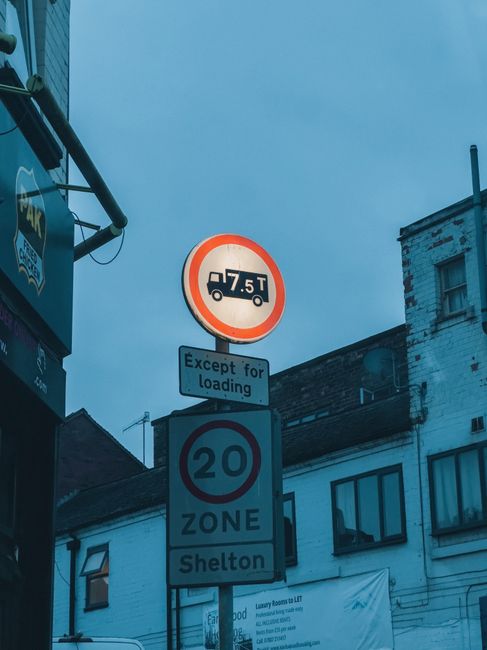
Loading bay mistakes are rarely dramatic, but they are annoying. And annoying is enough. The most common problem is assuming that any short stop counts as loading. It often does not. If the space is restricted to active loading only, then "just leaving the van there" while you fetch something from inside may not be enough.
Here are the usual traps:
- Ignoring the sign plate: road markings tell only part of the story.
- Underestimating the time needed: one large sofa can take longer than a neat row of boxes.
- Blocking access without checking first: especially risky near side streets and delivery entrances.
- Using the wrong vehicle size: too large and you struggle to position it; too small and you create extra trips.
- Forgetting the team handover: if one person is managing the van and another is inside, you need clear communication.
Another common issue is planning around the move itself but forgetting the "before and after" parts. Where will the van wait before access opens? Where will it go if there is a delay with keys? What happens if the lift is out of order? These are not glamorous questions, but they are the ones that save the day.
For a practical reminder of how hidden costs creep in when plans are thin, it is worth reading about hidden fees for removals in Merton. The link between access planning and final cost is stronger than many people expect.
Tools, Resources and Recommendations
You do not need a fancy toolkit to handle loading bay access well, but a few items make life much easier. The best kit is often the simple kit you remember to bring.
| Item | Why it helps | Best use |
|---|---|---|
| Hi-vis vest | Makes the loader easier to see in traffic | Busy roadside loading |
| Door blankets | Protects furniture and frames | Narrow entryways and repeated trips |
| Platform trolley | Reduces heavy carries | Boxes, appliances, boxed files |
| Ratchet straps | Secures items in transit | Furniture and mixed loads |
| Phone torch | Useful for darker interiors and winter evenings | Basements, stairwells, early or late jobs |
| Job notes | Keeps everyone aligned on timings and access points | Complex moves with multiple stops |
It is also worth using the right service level for the job. If you only need one quick item moved, a lighter-touch option may make sense. If you have a full flat move or commercial relocation, a fuller service can save time and reduce mistakes. The broader services overview is useful when you are deciding which approach fits your access problem best.
For people comparing support options and trying to keep everything safe, the pages on insurance and safety and health and safety policy are sensible reads before you book. A good access plan and a safe loading plan usually go hand in hand.
Law, Compliance, Standards, or Best Practice
With loading bays, the safest approach is to treat the on-street signage and any relevant local restrictions as the governing instructions for the day. In practical terms, that means the bay is only usable within the conditions shown on the street. If the loading terms do not fit your job, then the right answer is not to improvise. It is to adjust the plan.
That might sound a little stiff, but it saves hassle. Parking and loading restrictions are there for traffic flow, pedestrian safety, and fair use of public space. On a busy high street, short-term access for genuine loading is usually allowed in some form, but only under the specific rules for that location. If your move requires more time than the bay allows, it is better to plan alternative access than to gamble on a quick overstay.
Best practice usually includes:
- Reading all signs on arrival, not just the nearest one
- Making sure loading is active and visible
- Avoiding obstruction of crossings, junctions, or busier traffic points
- Keeping the move organised so the vehicle is not idle in a restricted space
- Seeking advance permission or formal arrangements where the move is unusually large or complex
If you are dealing with a larger property move, the rules and the logistics can quickly overlap with building access, stairs, lift availability, and insurance. That is one reason many people prefer to work with experienced local movers rather than trying to make it up as they go. For context on service expectations, our removals in Merton and removal services pages are a useful starting point.
Options, Methods, or Comparison Table
There is more than one way to handle access on Wimbledon High Street. The right choice depends on the size of the job, how long you need, and how predictable the environment is.
| Method | Best for | Pros | Watch-outs |
|---|---|---|---|
| Direct loading bay use | Short, active loading jobs | Closest access, quicker carries | Time limits, sign conditions, busy traffic |
| Smaller van and multiple trips | Light or medium loads | More flexible parking, easier manoeuvring | Longer overall time, more handling |
| Scheduled timed move | Full property moves | Better planning, cleaner workflow | Needs tighter coordination |
| Alternative side-street access | When the high street is too busy | Less pressure at the kerb | Longer carry distance, possible extra labour |
For many people, the simplest solution is not the cheapest on paper, but the one that wastes the least time on the day. A van parked a bit further away can look fine in theory. Then the boxes start coming. Then the weather changes. Then someone remembers the kettle is still plugged in. You get the picture.
If you are comparing vehicle options, man with van in Merton and man and a van in Merton are both useful pages to review, depending on whether you need a lighter or more flexible service. For some moves, a removal van in Merton is the better fit.
Case Study or Real-World Example
Here is a realistic example. A family moving from a nearby flat to a house in Wimbledon needed to unload several bedrooms' worth of furniture on a weekday morning. The road looked manageable at first glance, but by the time they arrived, the street was already busy with delivery vehicles and pedestrians. The loading bay was available only for active loading, so the team made sure everything was ready before the van pulled in.
They used a trolley for the heaviest items, kept one person outside to monitor the road, and loaded in stages: soft furnishings first, then boxes, then the heavier furniture. The trick was not speed for its own sake. It was keeping the process continuous so the vehicle never sat idle while occupying the bay. That meant fewer awkward pauses and less risk of drifting out of the permitted stop logic.
The family also had a small complication: the first-floor flat had a narrow staircase and a slightly sticky door frame. Not a disaster, just the sort of thing that turns a neat plan into a slower one. Because they had left a buffer in the schedule, they still finished without stress. That buffer mattered. In fact, it usually matters more than people think.
If you are planning a similar move and want to avoid the same kind of squeeze, our article on same-day removals in Wimbledon is a useful read for understanding how fast-moving jobs behave when access is less than ideal.
Practical Checklist
Use this checklist before any loading or unloading on Wimbledon High Street. It is simple, but simple is what works.
- Check the exact loading bay sign before parking
- Confirm whether the stop is for loading only or has a time limit
- Make sure the vehicle size suits the space
- Prepare all items before the van enters the bay if possible
- Assign one person to watch traffic and pedestrians
- Keep the loading activity continuous
- Protect furniture, floors, and doorframes
- Have a backup stop point if the bay is occupied
- Keep keys, paperwork, and contact numbers ready
- Leave the bay as soon as the job is complete
If your job includes packing first, it is worth reviewing packing and boxes in Merton so the loading day itself is not slowed down by loose tape, weak boxes, or half-finished labelling. Good packing and good access planning save each other, really.
Conclusion
Loading bay rules on Wimbledon High Street are not especially glamorous, but they are absolutely central to a smooth move or delivery. If you understand the signs, plan for the real-world timing, and choose a vehicle and service level that fit the street, the whole job becomes calmer. Less guesswork. Less dragging things back and forth. Fewer "we'll just make do" moments.
That is the real aim here: not perfection, just a sensible, workable plan that respects the street, the traffic, and your own sanity. Wimbledon High Street can be busy and a bit demanding, but with the right approach, it is manageable. And once the last box is through the door, you will be glad you did the boring preparation.
Get a free quote today and see how much you can save.
For more background on the area and the practical side of moving around Merton, you may also find it useful to explore exploring Merton's streets, Merton property market insights, and smart tips for buying property in Merton. They sit nicely alongside the access and planning side of a move.

![Professional Movers Services at Unbeatable Prices in [LOGO_TITLE]](../../pub/actonmovers-banner.png)